The history of farming goes further back than the advent of mechanization, but we often celebrate our agricultural history by focusing on old farm machinery, despite the fact that the majority of our agricultural past was centered around raising livestock and crops. Very few of us give a second thought to the traditional livestock breeds that our ancestors once relied on, yet, without the careful breeding of these creatures over many generations, there would be no successful livestock farming today.
It’s thought that farming in the U.K. began between some 6,000 and 7,000 years ago, and since then, we’ve been growing crops, rearing animals, and gradually adapting these to suit our needs and our climate. It’s been a long project, and it isn’t over yet. We need to keep selecting the right animals to suit our ever-changing conditions, and sometimes we find that it’s useful to breed for a certain trait, like resistance to a particular disease, into one of our livestock breeds. This is when traditional breeds become useful; they’ve been around for so long and have stood the test of time. Landrace breeds often pass traits that strengthen our more modern breeds when crossed.
Britain has a long history of farming, and many of our traditional livestock breeds have been successfully introduced to other countries. For instance, our Jersey, Hereford, Angus, and Shorthorn cattle have all been exported to the U.S. It seems that wherever we Brits have settled, the Americas or Australia especially, we have taken some of our livestock with us.
For a small island, we have many different traditional breeds of livestock. The British organization, The Rare Breeds Survival Trust claim that we currently have 160 different native breeds of livestock, with this number including breeds of horse, pony, cattle, sheep, pigs, goats, and poultry. It’s impossible to say how many more breeds we had in the past, because records didn’t become commonplace until the 19th century. What we do know is that in just the last 100 years, 80% of of our native British livestock has either gone extinct or become critically endangered.
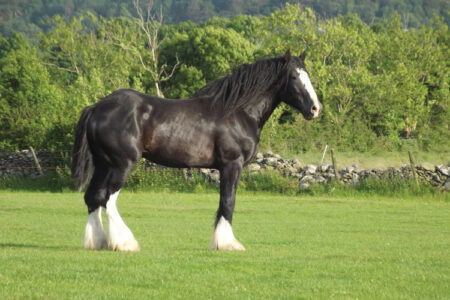
Currently, the U.K. has 35 different native breeds of cattle – 15 of those are categorized as rare – and we have 27 different breeds of sheep, four of which are considered at risk of becoming extinct. The Rare Breeds Survival Trust documents the numbers of our rarest breeds and has a watchlist of those declining and at risk of extinction. The watchlist makes for interesting reading, and it includes some breeds that I’ve never heard of, as well as some breeds that I’m very familiar with. I had simply assumed that because breeds like the Shire horse were so loved, and so much a part of our history, that they would always be around, but it seems that this is by no means guaranteed.
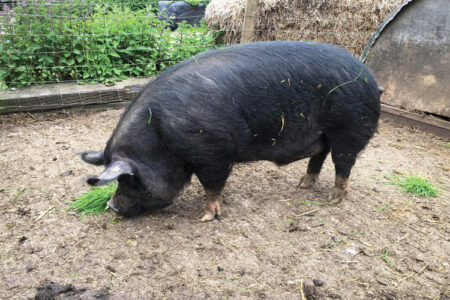
I’m sure Britain isn’t alone in having its landrace livestock breeds, and I have no doubt there are those of you who lament the fact that breeds that you have fond memories of are now becoming a rare sight. But what are we to do? Farmers aren’t rare breed sanctuaries. They can’t be expected to rear and house animals that aren’t commercially viable, and as commercial pressures have increased, farmers have inevitably sought out the livestock breeds that will mature quickly and can produce heavy carcasses for butchering. In the case of chickens and dairy cattle, we’ve selected those breeds that have exceptionally high egg or milk yields.
This is, of course, “selective breeding for modern needs,” but this relentless quest for greater yields, coupled with the practice of importing continental breeds, has meant that many of our traditional British breeds of farm animal have fallen by the wayside in the rush for fast returns. Some people would call that progress, but there are a few different reasons why a breed might become extinct, and there are also several reasons why we should probably not let these animals become extinct.
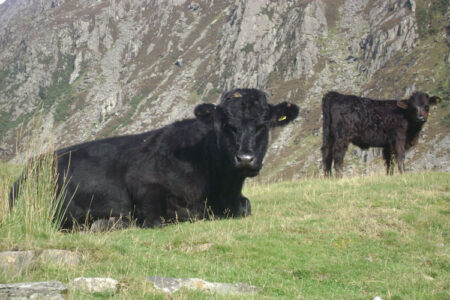
Sometimes a breed of livestock might become extinct because it isn’t hugely successful, perhaps because the young mature very slowly, but often it’s due to nothing more than changing fashions and trends. In the past, Britain used to have native breeds of pigs that had thick, hairy coats, and were capable of overwintering outdoors. The hairiest of these old pig breeds are now extinct, largely because the pink hairless pigs that were reared indoors matured faster and had no hair that had to be dealt with after slaughter. But times and market force change.
I recently spoke to a farmer who was responding to the current demand for free-range pork by keeping his pigs outdoors in a natural environment, making use of land that was unsuitable for any other type of farming. When researching native breeds, this farmer sadly learned that we have no hairy breeds of pig left. This pig farmer decided to use Mangalitza pigs, imported from Hungary, because these are hairy and hardy, like the pigs that we once had. It seems that we Brits let one of our own hairy pig breed die out. The Lincolnshire Curly Coated pig, which had “wool” that wasn’t dissimilar to that of a sheep, was declared extinct in 1970, which I find extremely sad.
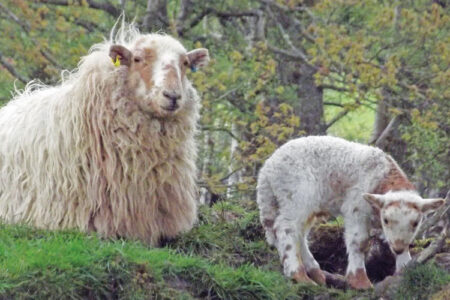
Thankfully, there are people who do recognize the importance of preserving our breeds. Many petting zoos and hobby farmers keep rare landrace breeds, and it’s in the hands of these dedicated enthusiasts that the future of these rare breeds often lie. The danger is that when breeds are kept in small numbers, the gene pool of the breed can become so small that animals can become unhealthy, weaknesses can occur in the breed, and low numbers can ultimately lead to extinction.
Geography and Conservation
In the past, climate and geography dictated exactly which types of animals one could successfully keep on any particular farm, but with the advent of large barns for housing livestock and the access to vast quantities of imported silage and fodder, farmers have long been able to select the most commercially viable breeds. Now, aside from those farmers in very upland and exposed situations, the majority of farms house modern, purpose-bred meat and dairy animals. However, all of these farmers will tell you that these commercial meat and dairy breeds of livestock aren’t as long-lived and often aren’t as hardy as landrace breeds. It seems that in our quest for fast returns we’ve certainly lost a few things along the way.
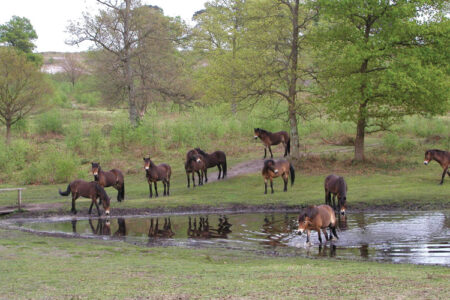
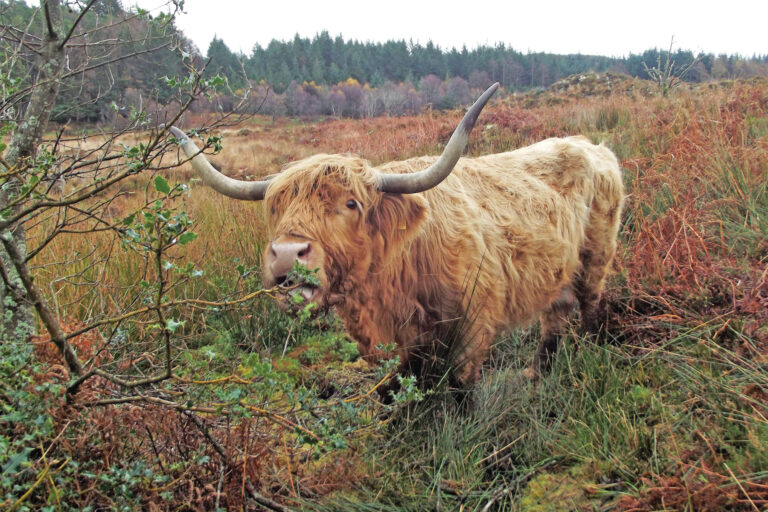
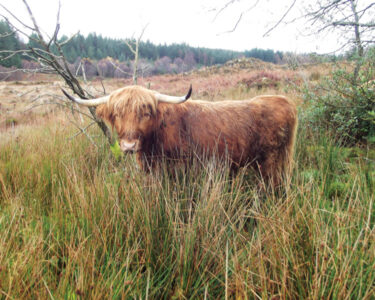
While many lowland landrace breeds have declined rapidly since the industrial revolution, some of the hill-dwelling breeds have fared better – often because nothing else except the landrace breeds will thrive in these areas. For many hill farmers in Scotland, North England, and North Wales, our traditional British breeds remain commercially important, so it’s no wonder that the Highland cow and the Welsh Mountain sheep, whilst being ancient breeds, are still popular today.
Many farmers will graze sheep and cattle on vast stretches of mountain and moorland, and aside from routine round ups, the animals largely have to fend for themselves, so they’re bred to cope with the climate and terrain. Landrace breeds, when kept in their native environment, will always thrive better than cross or modern breeds; they developed over time to do so, which is why they’re called “landrace.”
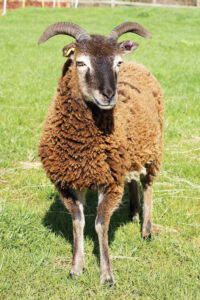
Not all landrace breeds are endangered. There’s the Cheviot sheep for instance, which dates back to the 14th century and which is still a popular breed with farmers in the North of England and on the Scottish borders. Some traditional breeds have thrived over the centuries and have spread far from their natives homes, while others have dwindled in numbers as farming practices and fashions have changed.
As a landowner, one can try to farm the rare breeds which are appropriate for the region in which one lives. Some farmers will, for instance, keep a small flock of natives as well as their main commercial breed. But what can the person who isn’t a farmer do to preserve our rarest breeds?
Sentimentality
It’s easy to let sentimentality creep in when thinking about traditional livestock breeds, but the paradox is that if we hope to preserve a rare breed of livestock, then we must find a viable commercial purpose for it. This generally means eating them. If we don’t find a commercial purpose for these animals, the breed is at risk of extinction or surviving as a nothing more than a tiny handful of vulnerable examples, kept only as a testament to the past.
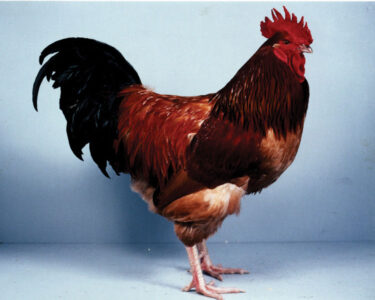
By making a breed commercially viable, we can help to secure its future, and one way in which some landrace breeds have survived is by producing superior-tasting meat compared to modern breeds. The discerning diner, for instance, will appreciate the difference between native lamb raised naturally and slowly on a salt marsh and the fast maturing, fattier alternative that has been fed on imported, processed fodder. Some consumers will seek out better quality, ethically sourced, tastier meat, and are also prepared to pay more for these premium products. Along with being described as tastier, traditional slower maturing meat is also often lower in cholesterol, which comes from faster maturing or factory farmed animals.
Aside from the health conscious and those with finely tuned palates, traditional livestock meat is also favored by those who simply wish to eat meat raised in a kinder, more natural manner. The landrace breeds of livestock that are capable of living outdoors year-round and thriving on what nature has to offer tend to lead lives that are more akin to those of wild creatures, so for people who are against factory farming and “fast foods,” these breeds can offer a good alternative.
The key to preserving a livestock breed is “making it pay its way,” and the only way this can be achieved is if traditional livestock breeds can offer something that the mass-produced alternatives can’t. It takes more than sentimentality to preserve a livestock breed; it also takes our nation’s food lovers, our health-conscious shoppers, our conservationists, and our traditionalists to all buy products that we believe in.
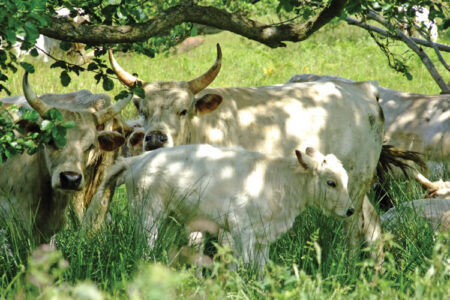
There are many ways in which the non-farmer can help to preserve landrace breeds, whatever country you’re living in. These include finding a farmer who keeps rare or landrace breeds and asking how you can buy the product. Agricultural shows can be a great place to chat with breeders. Small farmers often keep landrace breeds and sometimes sell their products at farmers markets and country fairs, so try shopping at these places. It’s also worth supporting your local butchers, and asking them if they can source rare breed meat. Also, try looking online, because some savvy farmers now advertise their traditional rare breed meat there. Look for wool products made from traditional sheep breeds and support your local spinners. If you’re ever thinking of keeping livestock, then try to select a breed that’s native to your area and might be under the threat of extinction.
Why Protect Rare Breeds?
There will be many who will argue that if a rare breed is no longer of use, and isn’t fit for purpose, then perhaps it should be allowed to die out naturally. But I wonder, do we really have the right to make those decisions for future generations? Farmers of the future might have different needs to us, as might our future consumers. If we’ve allowed certain breeds to become extinct, future options are limited due to the choices that we’ll have made in the past.
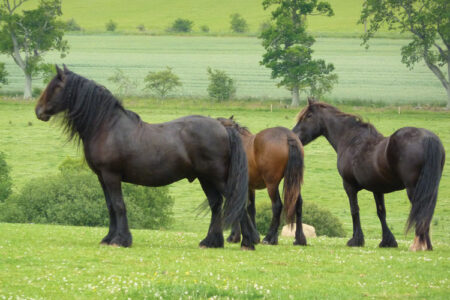
The preservation of our rare breeds might also help future breeders to create animals that have certain useful traits. For instance, the ancient Soay sheep sheds its wool and doesn’t require shearing, and this trait could potentially be bred into modern sheep breeds. A shedding trait might be of benefit to farmers if shearing costs continue to rise and wool prices continue drop in value.
Some old livestock breeds have the ability to fatten without processed food; some have the ability to withstand certain ailments, diseases, and parasites; and some have the ability to survive particular weather conditions. Some of these traits could be potentially useful to future farmers.
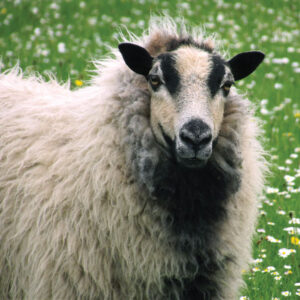
Landrace breeds aren’t only potentially important for the future, they’re also a key part of our farming heritage, and they’re living examples of our unique and diverse regional history. Each breed is different and each is linked to a certain region of the country, so to lose your local breed is to lose something of your own unique culture and tradition.
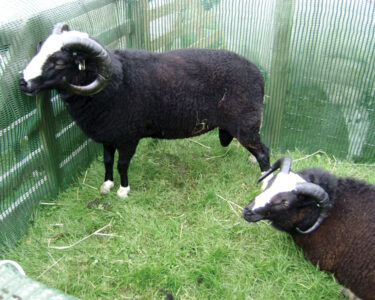
For me, I do my little bit by keeping Badger Face Welsh Mountain sheep. They’re pretty sheep, but most importantly, they’re good doers, good mothers, they survive in our wet climate, and they taste great, so for me, they’re commercially viable.
Josephine Roberts lives on an old-fashioned smallholding in Snowdonia, North Wales, and has a passion for all things vintage. Email her at josiewales2021@aol.com